


What Foreclosure Headlines Aren’t Telling You
May 22
2 min read
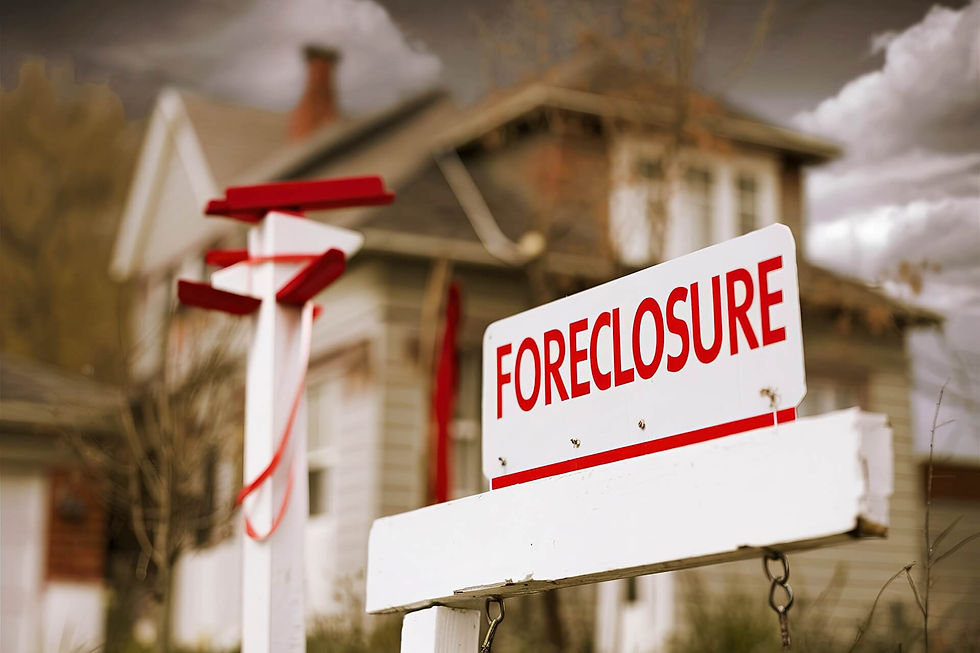
When you see headlines saying foreclosures are “rising,” it’s natural to think back to the 2008 housing crash. That comparison makes sense emotionally—many people still associate foreclosures with that period of financial stress and uncertainty.
But the current housing market is operating under very different conditions.
Yes, Foreclosures Are Increasing—But Context Matters
Recent data from ATTOM shows foreclosure filings are up around 26% year over year, and there’s been a steady upward trend over several quarters. On paper, that sounds concerning.
However, the bigger picture tells a different story. Even with these increases, foreclosure activity is still relatively low compared to long-term historical averages. What we’re seeing is more of a shift back toward normal levels after an extended period of unusually low activity.
So rather than signaling a crash, the data is better interpreted as a market rebalancing.
The Role of Equity Makes Today Very Different
One of the biggest differences between now and the 2008 era is the amount of equity homeowners currently have.
According to Cotality, the average homeowner today holds roughly $295,000 in equity. That changes everything.
During the last major downturn, many homeowners owed more on their mortgages than their homes were worth. That “underwater” position severely limited their choices, leaving foreclosure as one of the only outcomes in many cases.
Today, that situation is far less common. With substantial equity, homeowners facing financial difficulty often have alternatives such as:
Selling the home and paying off the mortgage balance
Protecting their credit from the long-term damage of foreclosure
Potentially walking away with remaining proceeds after closing
That equity buffer plays a major role in preventing a wave of foreclosures similar to what happened in the past.
If You’re Under Financial Pressure, You Have Options
If you’re behind on payments or starting to feel stretched, it’s important to know that foreclosure is not an immediate or automatic outcome.
Most lenders prefer to find solutions rather than go through foreclosure because it is expensive and time-consuming for them as well. Depending on your situation, there may be options such as:
Structured repayment plans to catch up on missed payments
Temporary relief programs like forbearance
Loan modifications that adjust your monthly payment terms


Comments